Product liability case management for plaintiff firms
Neos keeps every party, expert, and record in one system of record.

Keep the parties, the evidence, and the costs tracked
Track who's liable and who pays
Manufacturer, distributor, retailer, and component maker each sit on the case with their counsel, carrier, answer, and cross-claims.
Hold the product as evidence
The product's location, custodian, inspection dates, and the preservation letters that went out all live on the case, so the custody chain holds up when the defense expert challenges it.
See what each file costs
Neos logs fees, testing, and deposition costs on the case as it happens and rolls them up across the docket, so you know what every file has cost before you settle it
From the first referral through trial or resolution
Intake
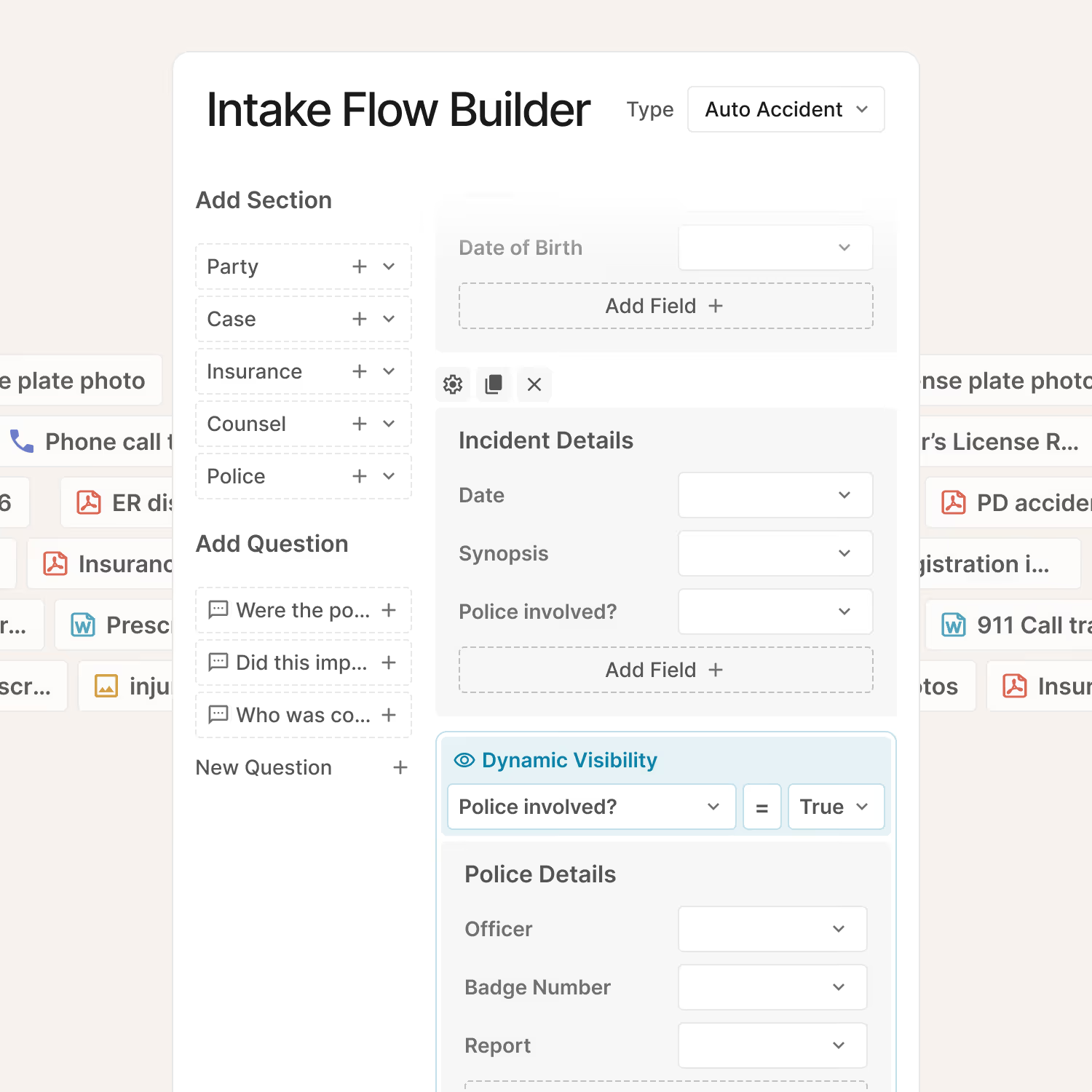
Product cases can often arrive by referral or co-counsel. Customizable intake forms capture the referring firm, the fee agreement, the product, the purchase, and the injury date, and Neos tracks the statute of limitations from the first call.
Parties, production, and experts
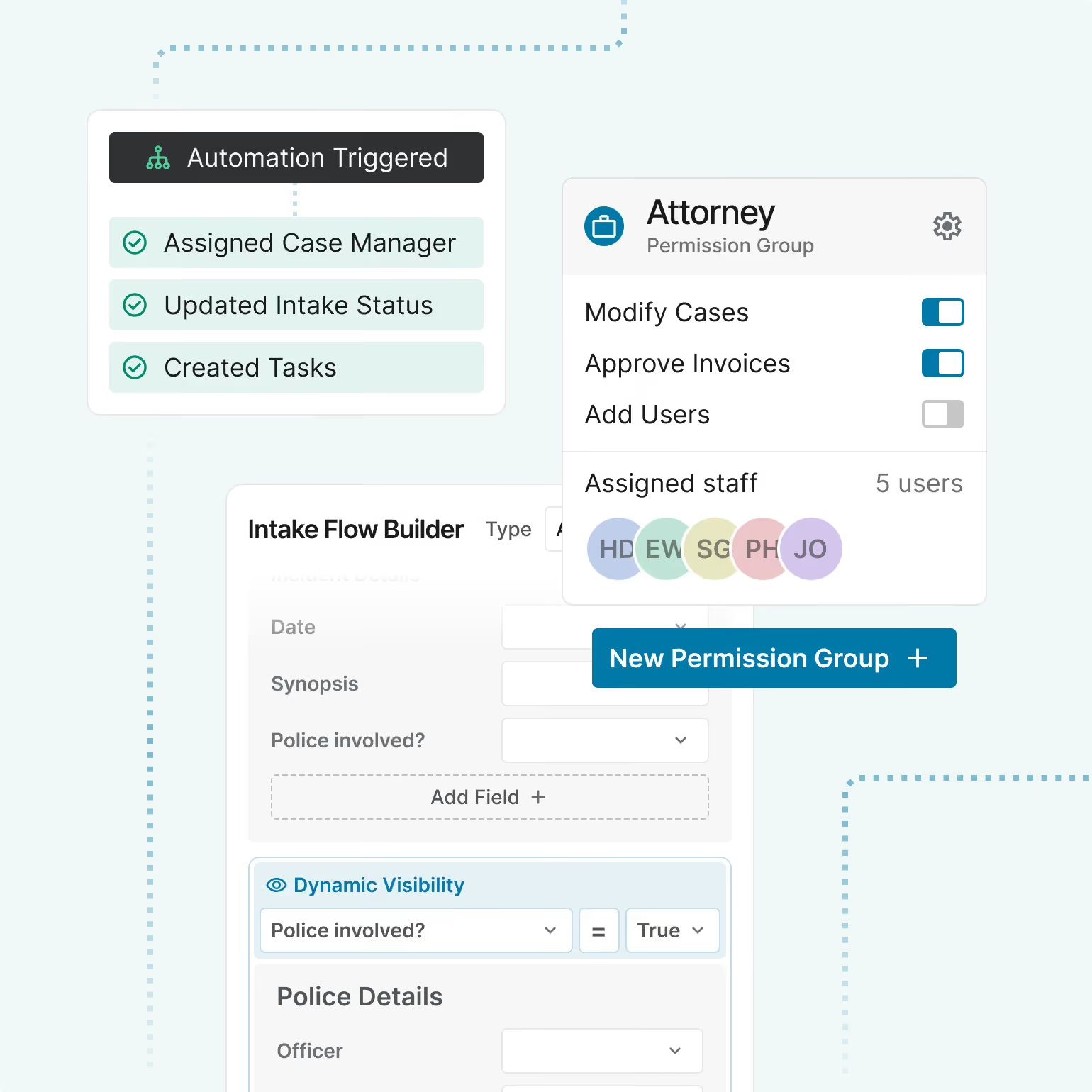
Every defendant, defense counsel, carrier, and co-counsel tracks as a party. Files, testing data, recall notices, depositions, and expert reports index on the case as they arrive, so a document produced in year one is findable in year three.
Experts and the case chronology
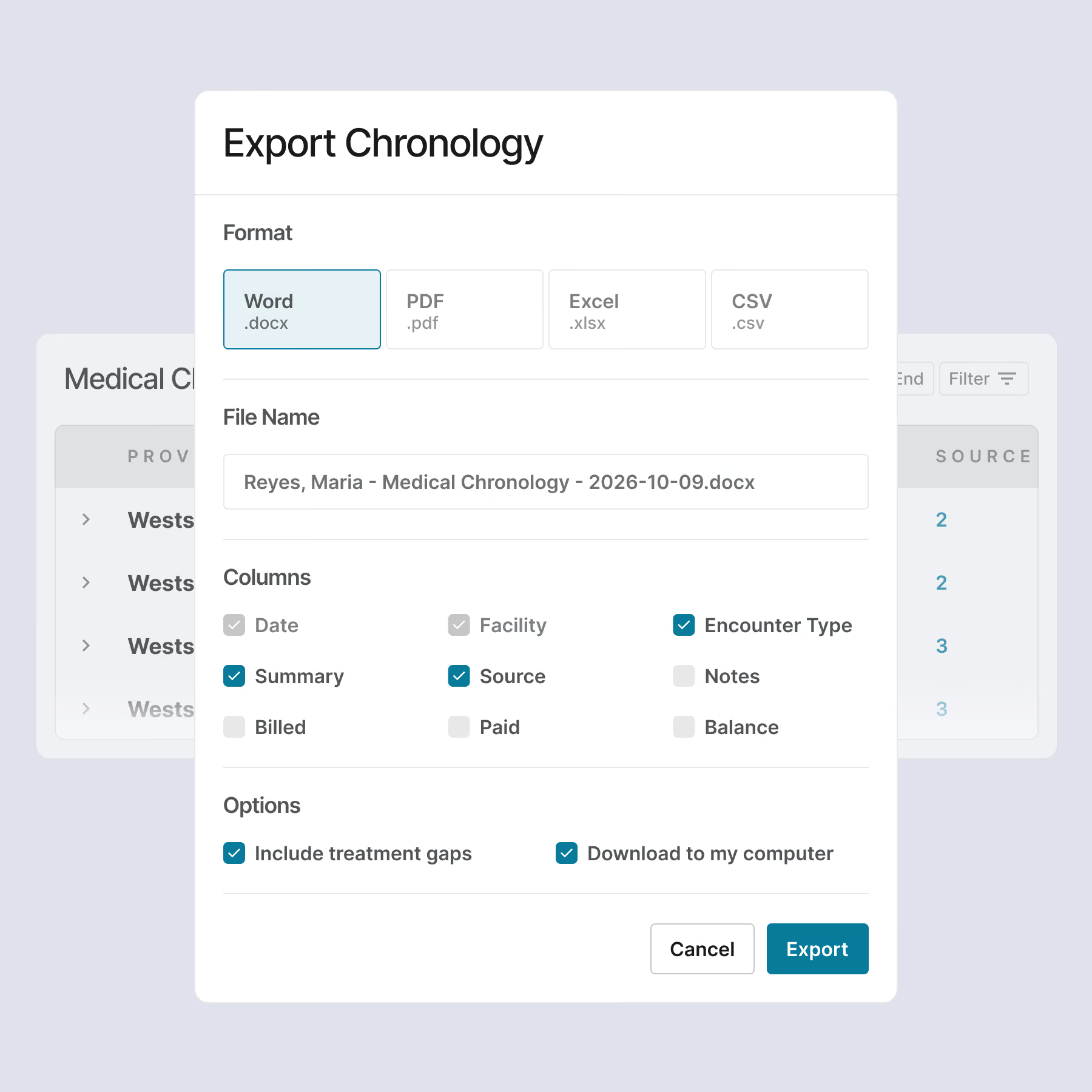
Each expert carries a scope, materials reviewed, report versions, and deposition dates on the case. Demands Plus runs inside Neos with NeosAI Platinum, generates the chronology from records already on the file, cited back to source.
Costs, liens, and resolution
Case costs on a product file run high, so expert fees, testing, and deposition costs stay on the ledger through resolution. Resolve liens and subrogation against records already in the file, and report on case costs by file across the docket. Generate the settlement statement from the same file, so costs, liens, and fees are accounted for before disbursement.
Why firms choose Neos
Plaintiff work, in one system
40+ years in personal injury case management, built around plaintiff economics: intake, parties, production, case costs, liens, and demands in one workflow rather than a stack you reconcile for four years.

Recover costs at settlement
Costs, liens, and the settlement statement all come from the same case record, so the client’s net and the firm’s cost recovery are right at disbursement without a separate ledger.

A case type you configure
Case types, fields, checklists, and workflows are configurable, so a product file can carry the parties, inspections, and expert deadlines an auto file never needs.

Testimonials
“Our previous system couldn't connect data points across cases. Custom dashboards and reporting now track 4,000+ active litigation cases across the firm.”

“We use the case reports to gather medical records, see which cases are in demand, and to understand which cases are in negotiation then we distribute them to everyone at the firm.”
“It cannot be overestimated how helpful it is to be able to type in a person's name and have tabs with every single thing you could want to know about their case.”
Frequently Asked Questions
What is product liability case management software?
Product liability case management software is a single system that runs a case from intake to resolution: the product and its custody history, multiple defendants and their counsel, technical and medical production, expert discovery, case costs, liens, and the demand. It is case management for the firm bringing the claim, not product liability insurance for the manufacturer.
How do plaintiff firms track the product itself as evidence?
Keep the custody history on the case rather than in a separate document. In Neos, a product liability case type can be set up to carry the product's location, custodian, inspection dates and attendees, and the preservation letters that went out, as fields and checklist items on the file, so the chain is auditable years later.
How long does it take to migrate to Neos?
It depends on how much data moves with you and which package you choose. A few weeks for a standard configuration, a couple of months for a core data conversion, several months for a full-service conversion with custom configuration and formal acceptance testing. The timeline is built around those activities, not padded by them.
Your plan is set at kickoff and allows time to review your data mapping before conversion, validate your converted data in a pre-production environment, and train your team on that environment before go-live. Bigger conversions get more review time. You know your target date from day one.