Assembly has spent 40 years building case management software for personal injury firms, and that focus produced something specific: a system that manages the work of your firm step by step, from intake to settlement. Neos keeps every case moving and makes sure the right person is doing the right task at the right time. And because intelligence is built into that same system, the work it manages also gets a head start on the documents it produces.
Here is the part most firms outside personal injury miss. The way a high-volume personal injury firm operates is the way a lot of other practices operate too. If your firm runs on structured stages, document production, and hard deadlines you cannot afford to miss, the real question is not whether Neos handles your practice area by name. It is whether it fits how you run cases. This blog highlights: who Neos is built for, which non-personal-injury practices share that operating model, and how to tell if your firm is one of them.
What Kind of Firm Is Neos Actually Built For?
Neos is built for firms that run cases as structured, repeatable processes rather than one-off cases. The common thread across users on Neos is not a practice area, it is an operating model: defined intake-to-settlement stages, heavy document production, work that has to be assigned to the right people, and deadlines that carry real consequences when missed. Personal injury fits that model exactly, which is why Neos was built around it.
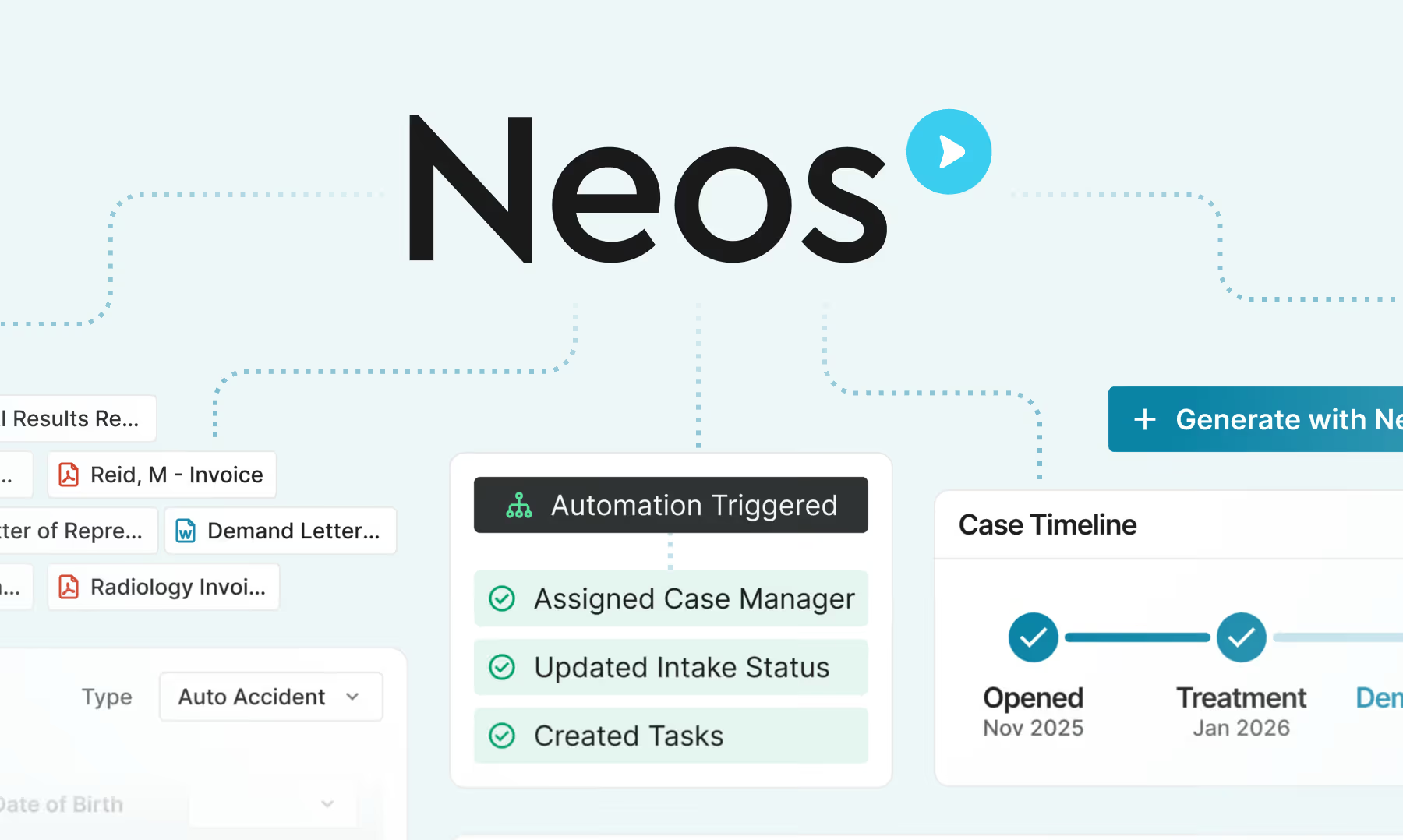
What sets Neos apart is the task-list and workflow engine underneath. It is both the firm's system of record and its system of execution: it holds every case detail, and it drives the work forward step by step, assigning each task to the right person and showing them what comes next. This is more than law office management software in the filing-cabinet sense. It is the system that runs the work.
Firms tell us it is the part they cannot do without. Nearly half of Neos users cite ease of use as a top benefit without being asked, and workflow automation is one of the most-cited reasons firms choose Neos. Intelligence is built into that same system. Because Neos already holds every document, note, and deadline on a case, its embedded intelligence works from real case context instead of a blank prompt, and it can generate routine documents from case data as the case moves through its stages. The engine does not know or care whether a case is a car accident. It knows the case has stages, owners, deadlines, and documents. Any practice that works that way gets the same benefit.
Which Non-Personal-Injury Practices Fit This Model?
The practices that fit best operate like personal injury firms: structured case stages, heavy documentation, and strict deadlines across a high volume of active cases. The subject matter changes from one practice to the next, but the operating model does not. Five non-personal-injury practice areas map especially well to how Neos runs cases.
Social Security Disability
Social Security disability firms fit Neos because the work is high-volume and deadline-governed, where a single missed filing window can end a claim. Cases move through a predictable sequence of applications, appeals, and hearings, each with its own forms and dates. A system that tracks every stage, generates documents from case data, and flags deadlines automatically removes the manual tracking that disability firms otherwise carry across hundreds of open files. Its embedded intelligence can generate those routine filings from the case record, so the team reviews documents instead of building them from scratch.
Employment and Labor
Plaintiff-side employment and labor firms fit Neos because cases are document-heavy and follow repeatable stages from intake through demand, filing, and resolution. These firms manage discovery, correspondence, and filing deadlines across a steady caseload. Customizable checklists and task templates let an employment case follow its own playbook inside the same law office management software that runs every other case type in the firm.
Insurance Defense
Insurance defense firms fit Neos because defense work is deadline-driven and reporting-intensive, with strict court schedules and carrier reporting requirements on every file. Defense teams handle a high volume of cases and answer to clients who expect timely status updates. Dashboards and custom reports show exactly where each case stands, and embedded intelligence drafts routine filings and status reports from the case record, so updates reach the carrier faster.
Estate Planning
Estate planning firms fit Neos because the work is document-intensive and process-driven, moving each client through intake, drafting, review, and execution. Embedded intelligence assembles wills, trusts, and powers of attorney from client data into consistent draft packages. Templates and checklists keep every case following the same reliable steps, so client documents, notes, and signing dates stay in one organized system rather than scattered across folders and drives.
Family Law
Family law firms fit Neos because cases run on court deadlines, heavy documentation, and repeatable stages from intake through filing and resolution. Custody, support, and dissolution cases each generate a steady stream of filings, correspondence, and hearing dates. Customizable checklists and calendaring keep every case on track, and embedded intelligence produces routine filings as drafts from case data, so the team edits rather than starts from a blank page.
What Makes One System Work Across Practice Areas?
A structured-workflow system works across practice areas because it manages the operating model, not the legal specialty. Neos legal practice management software keeps every case from intake to settlement in one place and moves it forward step by step, assigning each task to the right person so nothing falls through the cracks. Your team is not switching between a calendar, a separate document tool, and a spreadsheet to figure out what happens next. Checklists and task templates are customizable to each case type and each role, so an insurance defense case and a family law case can each follow their own playbook inside one system.
Documents generate from case data instead of being rebuilt by hand, and dashboards show partners exactly where every case stands and who owns the next step. The practice area changes. The need to manage the work of the firm step by step does not.
Where Does AI Fit?
AI fits inside the workflow, not beside it. Most AI tools sit outside your case management, which means re-entering facts and copying results back in. Neos takes the opposite approach: intelligence is embedded in the same system that manages the work, so it already has every document, note, and deadline to draw on. That context is the difference between a generic draft and one built from the actual case. As the system moves a case step by step, its embedded intelligence can generate routine documents from case data and hand them to the right person to review. For any practice that produces a high volume of routine documents, embedded intelligence turns the case record you are already keeping into a head start on the work.
The Bottom Line
Here is the simple test. If your firm runs on structured intake, repeatable case stages, heavy document production, and deadlines you cannot miss, you operate the way personal injury firms operate, and Neos was built for exactly that. The practice area on the door matters less than how the work moves through your office. Forty years of building for one demanding specialty produced case management software that manages your firm step by step, from intake to settlement, assigns the right work to the right people, and uses embedded intelligence to help produce the documents that work creates, rather than trying to be everything to everyone. If that sounds like your firm, the next step is to see how it works.
Frequently Asked Questions
Can non-personal-injury law firms use Neos?
Yes. While Neos is purpose-built for personal injury, its workflow foundation fits any practice that runs cases as structured, repeatable processes with defined stages, documents, and deadlines.
What practice areas work best with Neos outside personal injury?
The strongest fits are practices that operate like personal injury firms: Social Security disability, plaintiff-side employment and labor, insurance defense, estate planning, and family law. If your firm runs on structured case stages, repeatable tasks, and hard deadlines, Neos is worth a look.
Does Neos include AI?
Yes. Neos has embedded intelligence built into case management, so it works from the full context of each case rather than as a separate tool you copy and paste into. It can generate routine documents from case data as a case moves through its stages, and because the intelligence draws on your case record, it gets more useful as that record grows.