Client intake is vital to a successful legal department. Your team’s primary passion may be the legal work itself. But you need to ensure a steady stream of clients coming through the pipeline to them.
An effective client intake process brings suitable business to your door, collecting and qualifying leads more promptly. And it provides a smooth and fuss-free workflow for converting these leads into paying customers - ready for your legal support.
This article explores the client intake process. What does it involve, and how is it best approached? And what role can technology play?
What exactly is law firm client intake?
Law firm client intake involves identifying leads, screening them, and converting them (if appropriate) into paying clients. It, therefore, plays an essential role in driving your law firm’s business forward.
The manner in which your firm manages these procedures will have a dramatic impact on your business. More streamlined and seamless procedures usually mean brisker incoming business and a better customer onboarding experience.
Consider the experience of the client
Take some time to map out the current client intake procedures in your firm. What does their journey from the first approach to a paying client look like?
When doing this, consider the following questions.
- How easy is it for people to understand, from your website and branding, whether your firm is a good ‘fit’ for their needs?
- How promptly do leads get a response after making an initial inquiry?
- What, if anything, happens to non-qualified leads?
- How easily can people arrange an initial consultation with your legal team?
- How easy is the admin to onboard a new client?
- What reminders or support do they get?
- Do leads get a consistent experience, regardless of their referral source?
- How does the experience your firm offers compare with your competition?
4 phases of the client intake process
Client intake involves the entire operation of attracting and onboarding potential clients. It stretches from their initial inquiry to signing an engagement agreement with you.
People may learn about your firm from several sources - for example, social media, finding your website following a Google search, other advertising, or a referral from elsewhere.
Get back to people promptly. An initial phone conversation is often appropriate at this stage. Leave no more than a day or so before getting in touch. If people are left waiting longer, they may go elsewhere.
The next step is to invite the person to an initial consultation. Make it easy for customers to find a time that suits them. An online scheduling tool makes this much more satisfying.
At this stage, they will complete a more comprehensive intake questionnaire. That should cover all the details your legal team needs to proceed with the work.
How client intake software can make a difference
Software specifically designed to support client intake for law firms can help in many ways. Here are a handful of benefits.
- Supports the creation of smart (dynamic) intake forms to comprehensively capture all the required information at the start of the client-firm relationship.
- Offers customizable case types and intake forms tailored to your firm's specific needs.
- Captures and consolidates information about leads as they progress through your intake pipeline, ensuring no data is lost and nobody gets forgotten.
- Supports your communication with clients through integrations such as RingCentral and Zoom Phone.
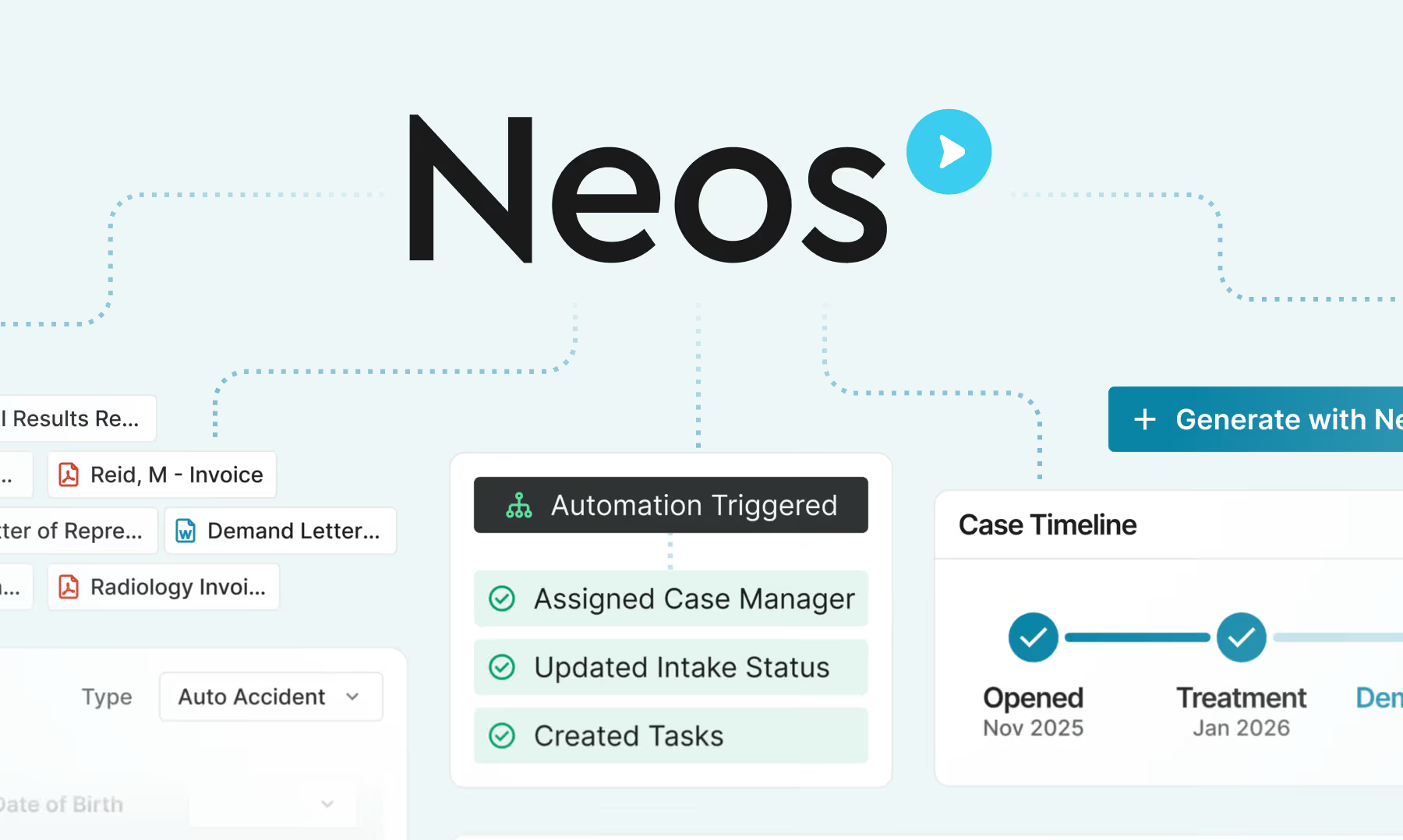
- Automates repetitive administrative tasks - freeing time for more important work and reducing the risk of error.
- Provides analytics about the source of your new clients, informing your marketing planning to drive future business.
- Provides an overview of your client intake pipeline. For example, how many leads are coming through? What stage are they at?
Level up your firm’s legal client intake
Your law firm client intake process is pivotal to your success. However you go about achieving it, the goal should be to deliver a fantastic experience to your clients as they join you - one that is polished, easy to follow, prompt, and responsive.
Get it right, and your teams will be free to get down to the legal work - helping clients - as quickly and smoothly as possible.