Compare Clio
Clio vs. Neos: which fits a personal injury firm better
Not adapted. Not bolted on. Built for personal injury law firms.
Trusted by 1,450+ personal injury firms







In Clio, you adapt to the software. In Neos, the software adapts to your firm.
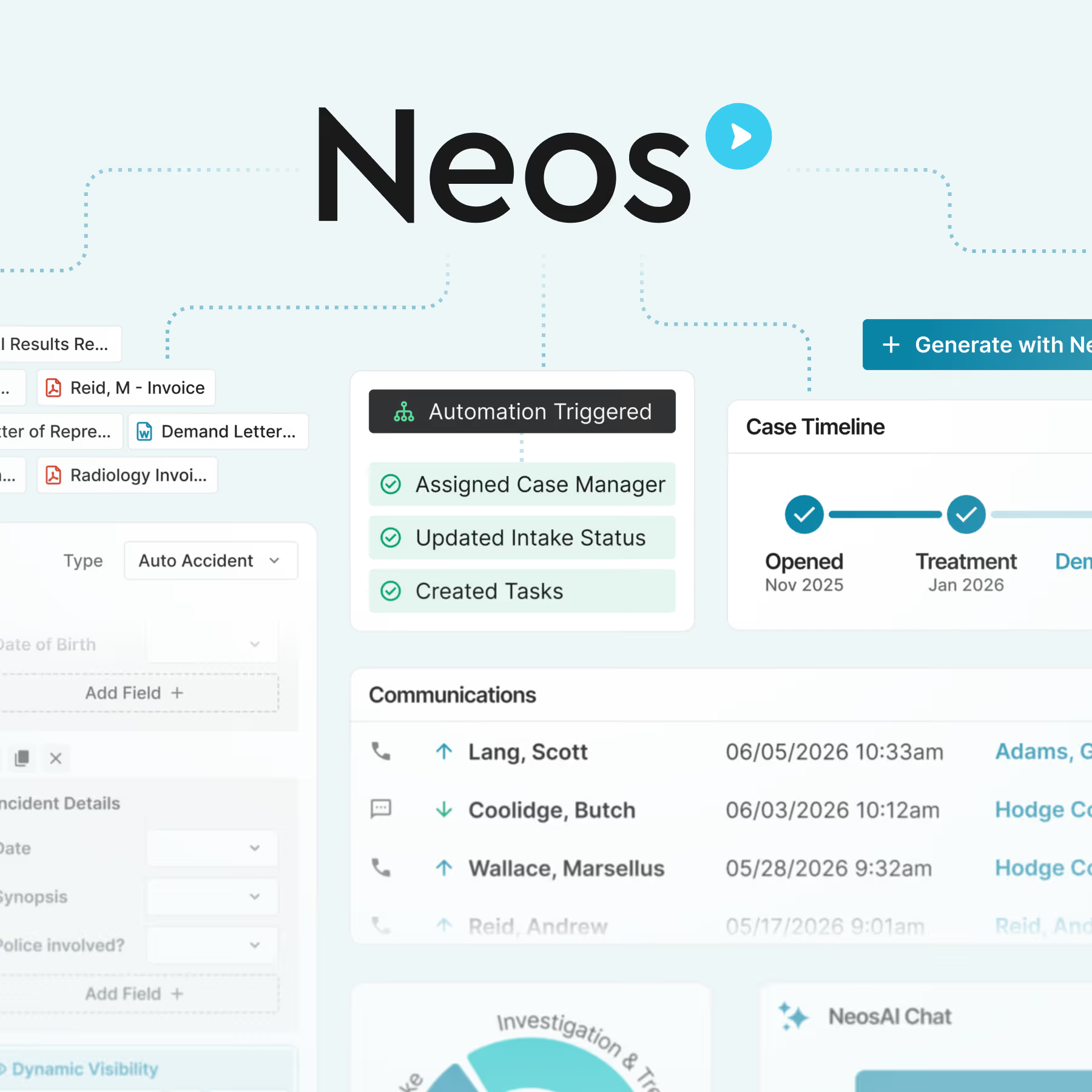
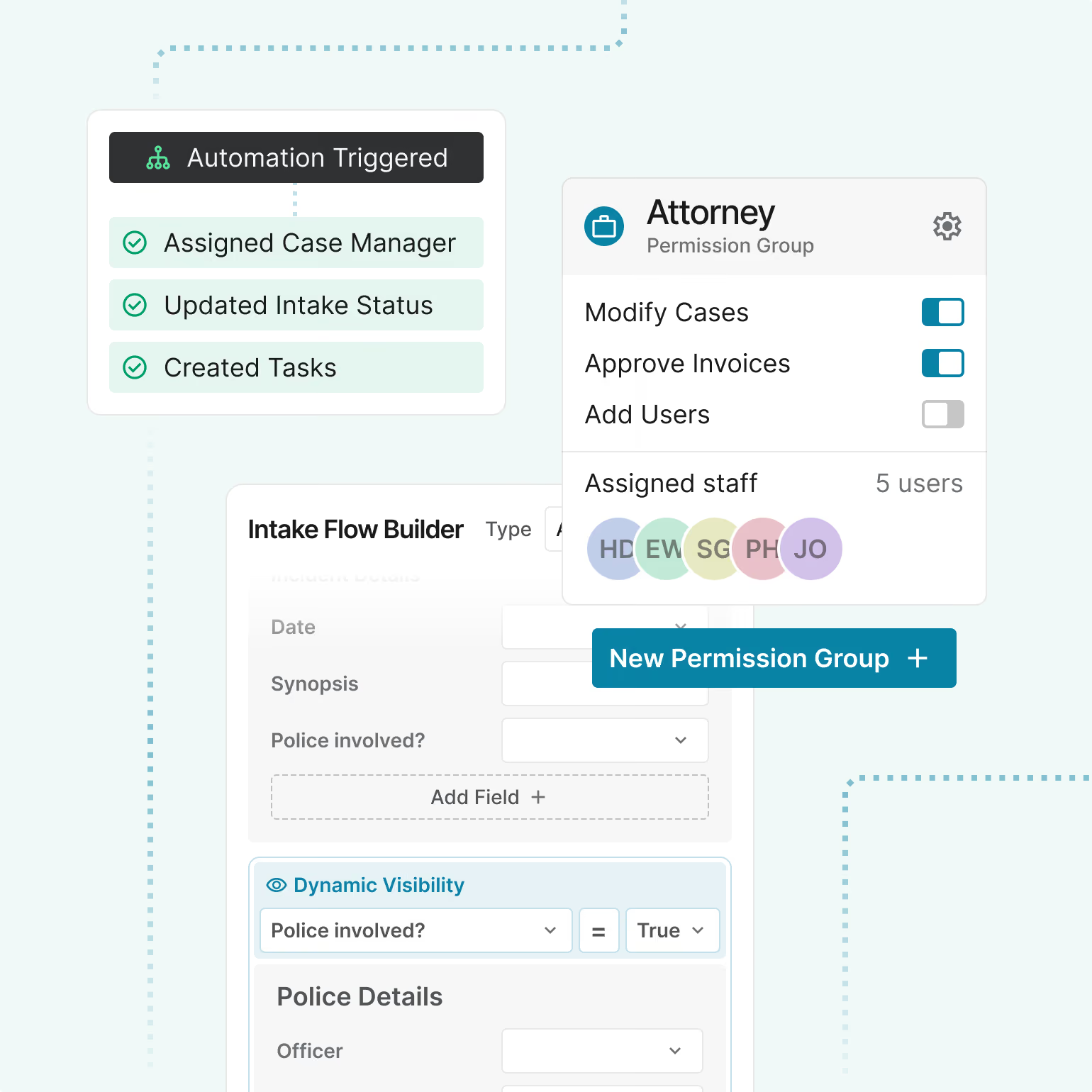
Workflows, intake, and AI are built around your case types, not generic templates you bend to fit.
Workflows follow your case types and milestones, not generic templates you must adapt to.
Intake forms adapt to each prospect's answers, not a limited add-on you license on top.
NeosAI drafts documents and pulls data from medical records, with no drafting add-on to license.
How Neos compares to Clio


40+ years of domain expertise; case types, intake, and workflows built for how PI firms run cases
Intake and case management in one system, with dynamic intake forms
Embedded intelligence works inside the case file, using full case context
Generates demand letters, medical chronologies, and summaries directly from case data
Custom report builder for settlement, referral source, marketing ROI, and case-type tracking
Migration handled by Assembly's in-house team

General-practice platform. Personal injury is a paid add-on, and workflows need configuration
Intake runs through Clio Grow, an add-on on Core and Signature, bundled only at the Elite tier
AI included on Core plan and above
Document automation requires Clio Draft, a separate add-on
Preset report templates
Firms handle their own data export; third-party migration help often recommended
Verified as of August 2026
The Clio alternative built for personal injury firms
From documents to case phases to reporting, Neos gives PI firms everything Clio treats as separate add-ons.
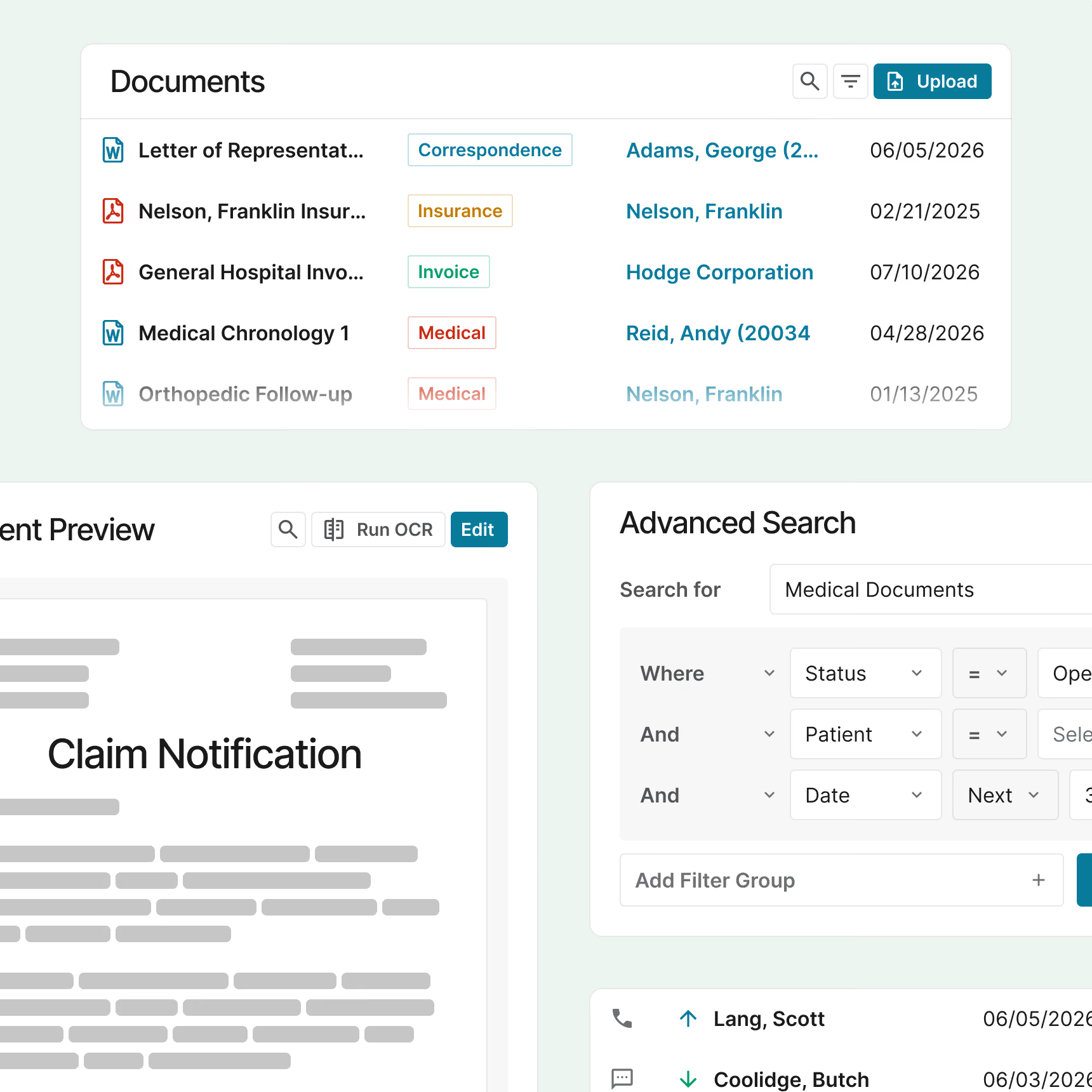
Every document stays in the case
Auto-save, in-place PDF editing, OCR, and bulk generation document management across cases.
Built around PI case phases
Automated checklists, and parent and child tasks fire the right work to the right people from treatment to settlement.
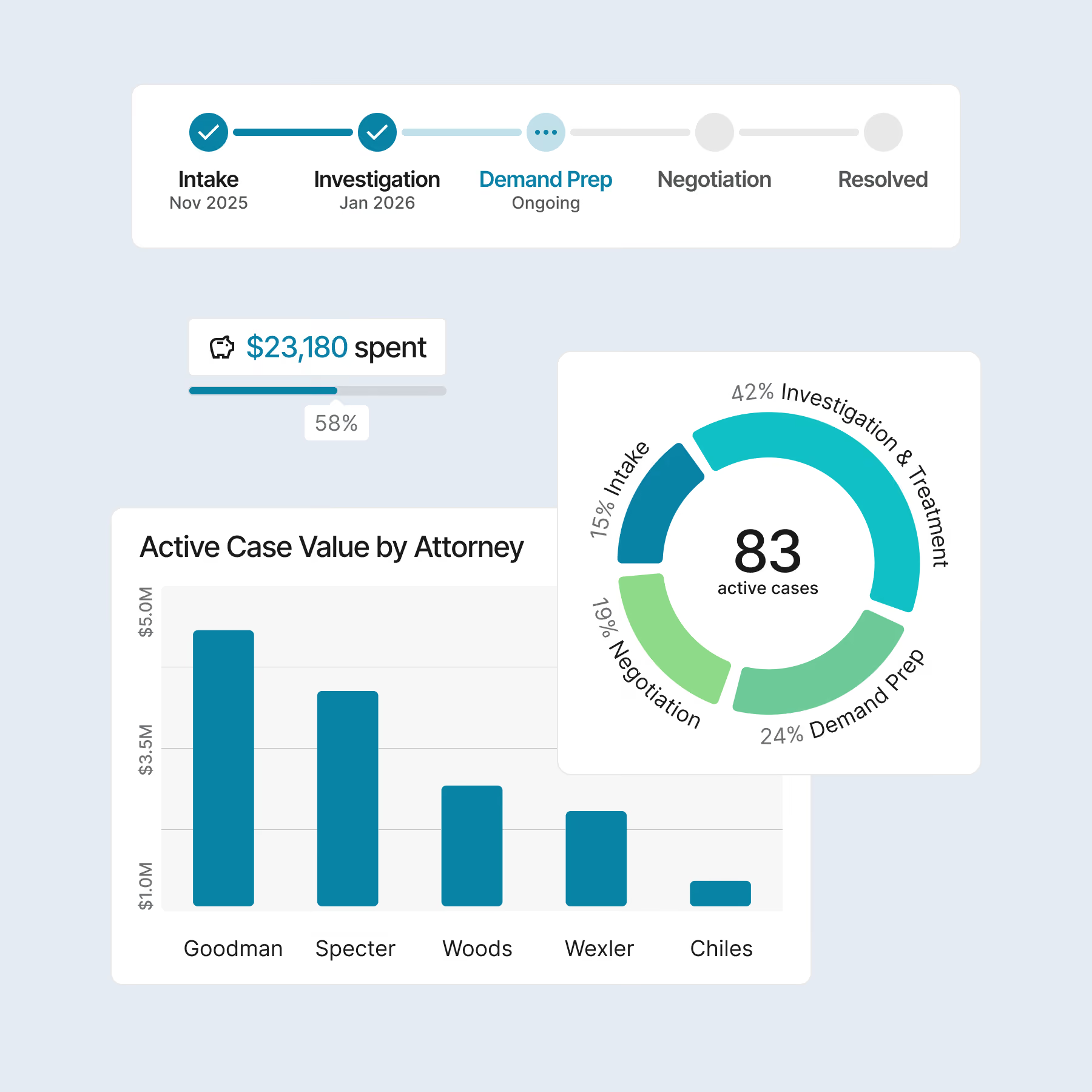
A full view of your cases and spend
50+ built-in reports plus a custom builder for settlement, referral source, and marketing ROI.
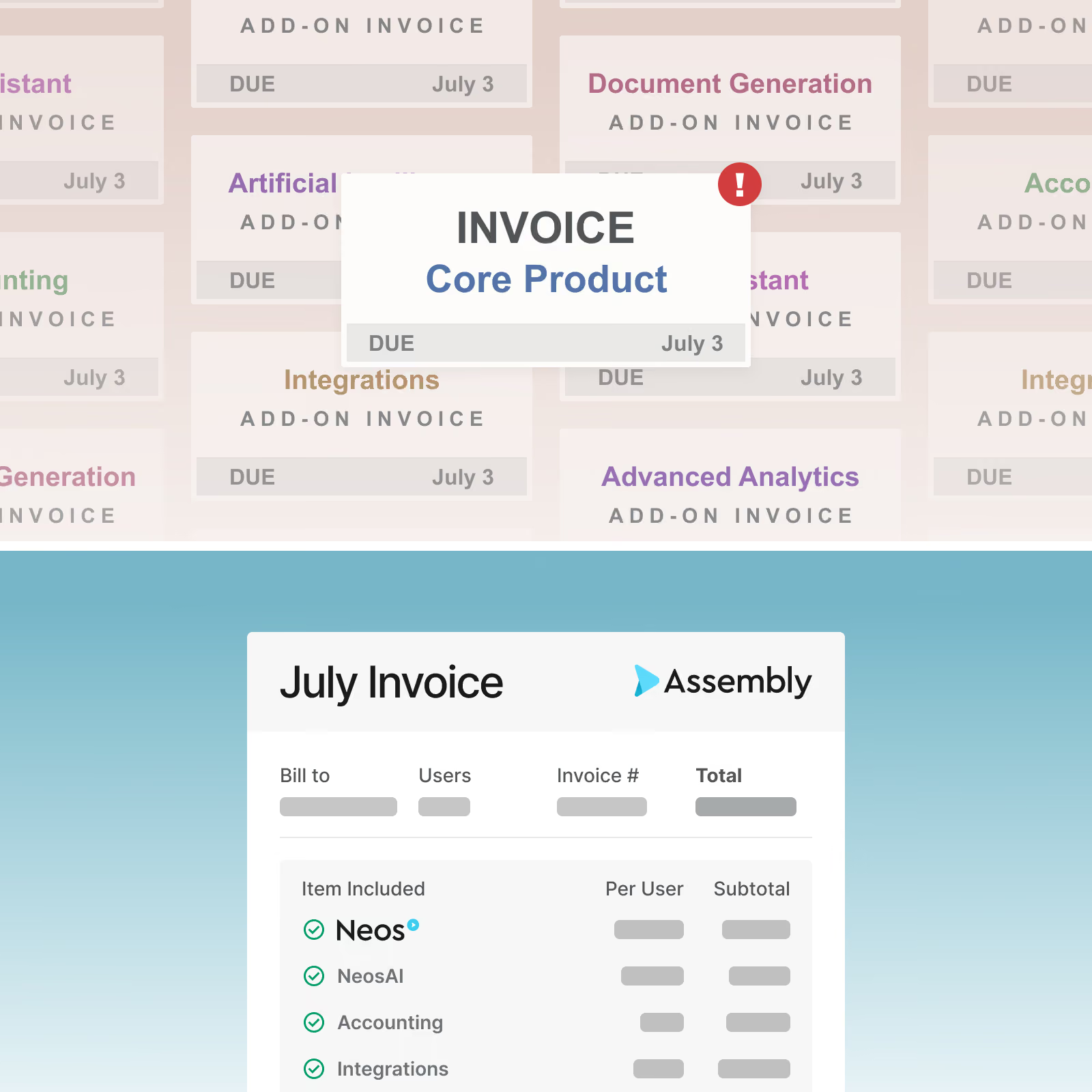
One platform, not a base fee plus add-ons
Intake, embedded intelligence, and reporting come with the platform.
What firms see after switching




Here's how Assembly handles the migration
Assembly runs data conversion and document migration processes refined across thousands of firm transitions. Your data comes over intact, and you start practicing on it the day you go live. Most firms are fully live in weeks, not months.
White-glove migration, handled in-house
Thousands of firm migrations completed
Most firms live in weeks
96% of firms recommend our migration team
Frequently Asked Questions
What is Clio Grow and does it cost extra?
Clio Grow is Clio's intake and CRM product. It is included in Clio's top Elite tier and sold as a paid add-on on the Core and Signature plans, so most firms below Elite pay for intake on top of practice management, at a price Clio does not publish. In Neos, intake and case management are one system at one per-user price, with dynamic intake forms that adapt to each prospect's answers.
How much does Clio cost per user?
Clio pricing lists four plans, Starter, Core, Signature, and Elite, starting at $49 per user per month. Only the Starter price is published. Core, Signature, and Elite are quote-only, and add-ons including Clio Grow, Clio for Personal Injury, and advanced document automation are priced by sales request. Neos Essentials is $109 per user per month billed annually, with intake, embedded intelligence, and reporting included, so the number you see is the number you pay. Clio pricing verified August 21, 2026.
What is Clio Duo and is it included in Clio's pricing?
Clio Duo is Clio's AI assistant, and Clio includes AI on its Core plan and above rather than selling it as a separate add-on. The difference that matters for a personal injury firm is not the line item, it is where the AI sits. NeosAI is embedded in the case file, so it works from the full case context already in the system and generates demand letters, medical chronologies, and summaries with citations back to the source record.
Is Clio or MyCase better for a personal injury firm?
Both are general-practice systems, so for a personal injury firm neither is purpose-built. Clio is broader and more configurable. MyCase is simpler and lower cost. Firms that want personal injury workflows without configuration work usually end up comparing both against a system built specifically for personal injury.
What are the best Clio alternatives for personal injury firms?
The most common Clio alternatives for personal injury are Neos, CASEpeer, Filevine, SmartAdvocate, and CloudLex. Neos stands out for 40 years of personal injury focus, intake through settlement in one system, and embedded intelligence that works from the case context already in the file.