Compare EvenUp
Your cases already live in one system. Your AI should too.
Neos is the EvenUp alternative for personal injury firms that want AI demand letters and medical chronologies built into their case management software, not in a separate tool.
Trusted by 1,450+ personal injury firms






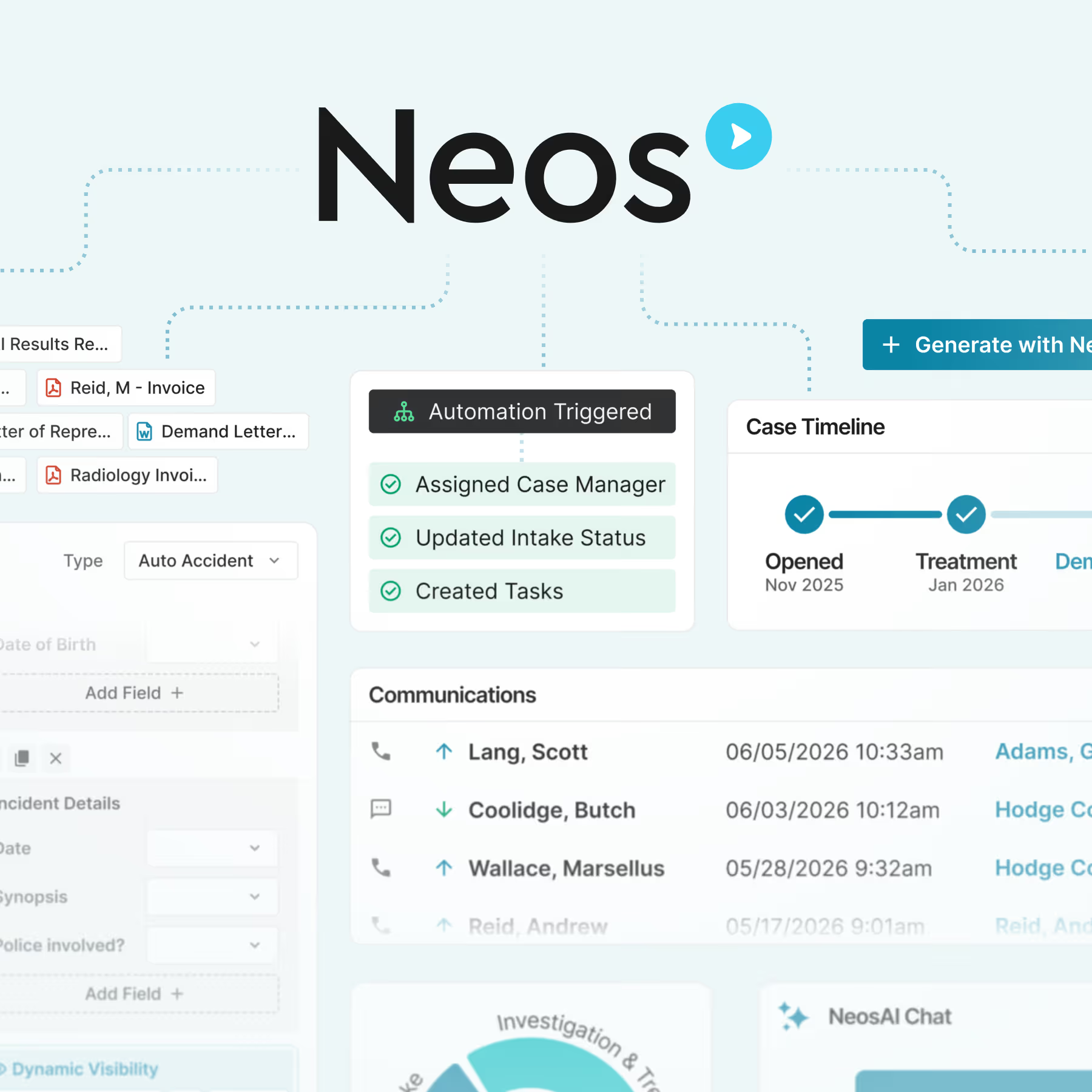
In EvenUp, the AI works outside your case. In Neos, it works inside it.
A complete case management software versus a separate single-purpose AI tool that sits outside your system.
Demand letters draft from live case data and keep evolving with the case, not a separate product.
Medical chronologies build from records already in the case file, not uploaded to an outside tool.
Everything runs on one login inside your workflow, not a second subscription sitting beside it.
How Neos compares to EvenUp


AI built into your case management system
Already has the full case, nothing re-entered
Populates case fields and reports inside the case file
Bundled into the platform, no per-deliverable fee
Full PI case management, not just demands
Demand letters drafted from live case data, editable in the file

A separate AI tool that sits outside your system.
Needs records and case details sent to it
Returns a document you copy back into your file
No public pricing, typically priced per case
Focused on demand and chronology packages
Demand letters drafted in a separate product
Verified as of August 2026
Why PI firms choose Neos
The AI that drafts your demands and chronologies lives inside the case, so your whole team works from one system, intake to settlement.
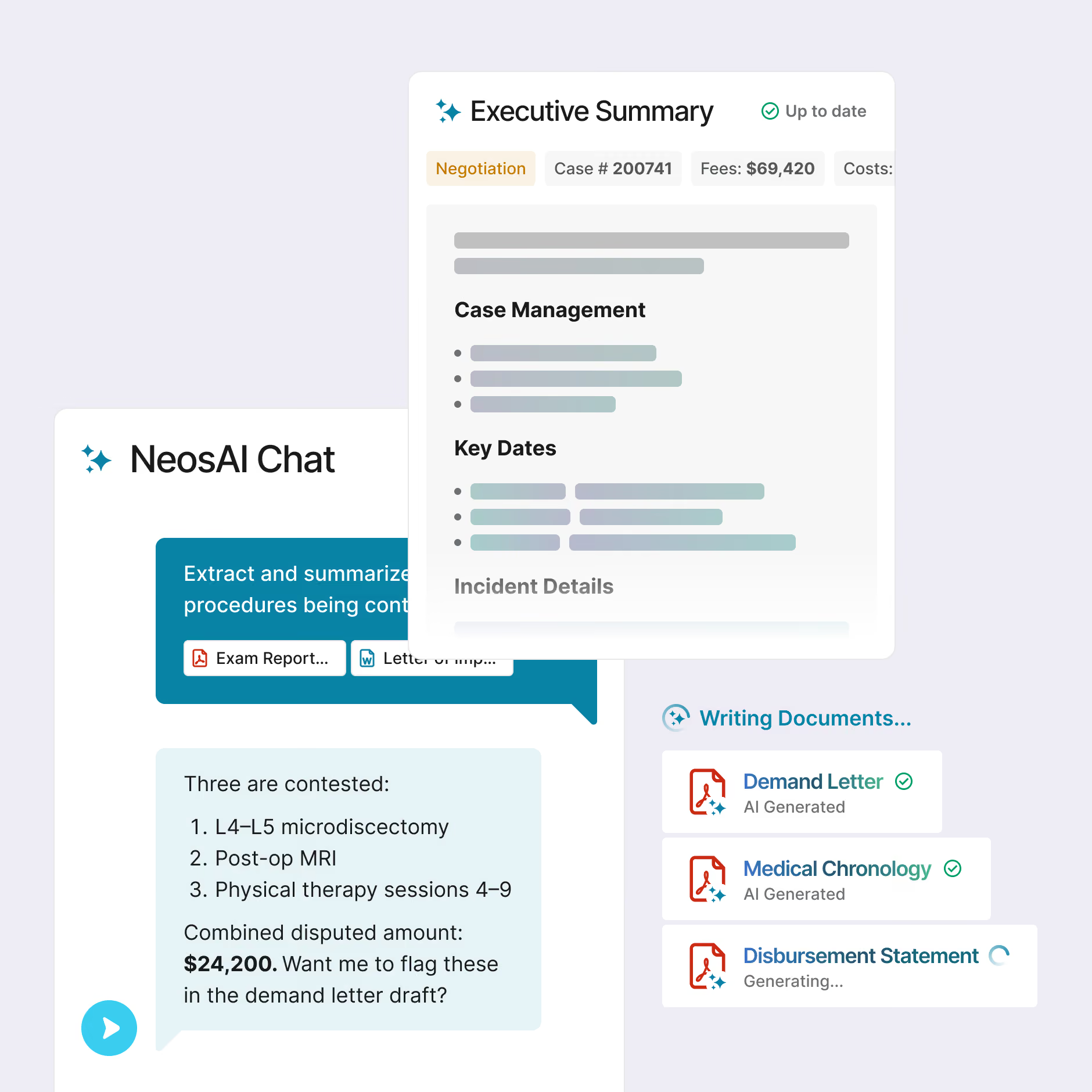
AI that works from the open case
NeosAI drafts demand letters and medical chronologies from documents and case data already in the file, in your firm's voice. Nothing is exported or re-entered into an outside tool first.
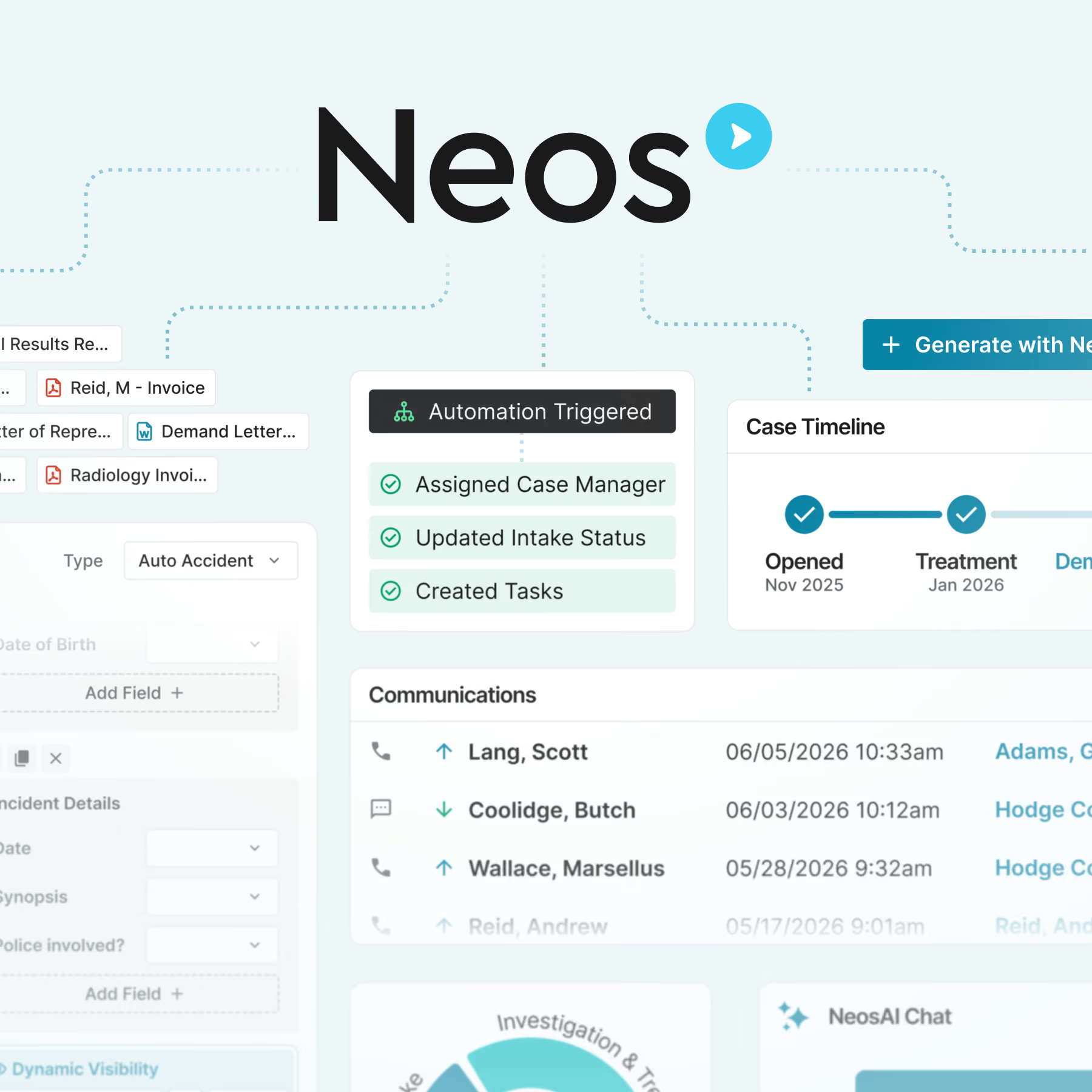
One system, intake to settlement
Your team runs the whole case in Neos, from first call to final check, without leaving for a separate AI product. No second tool to buy, no extra subscription.
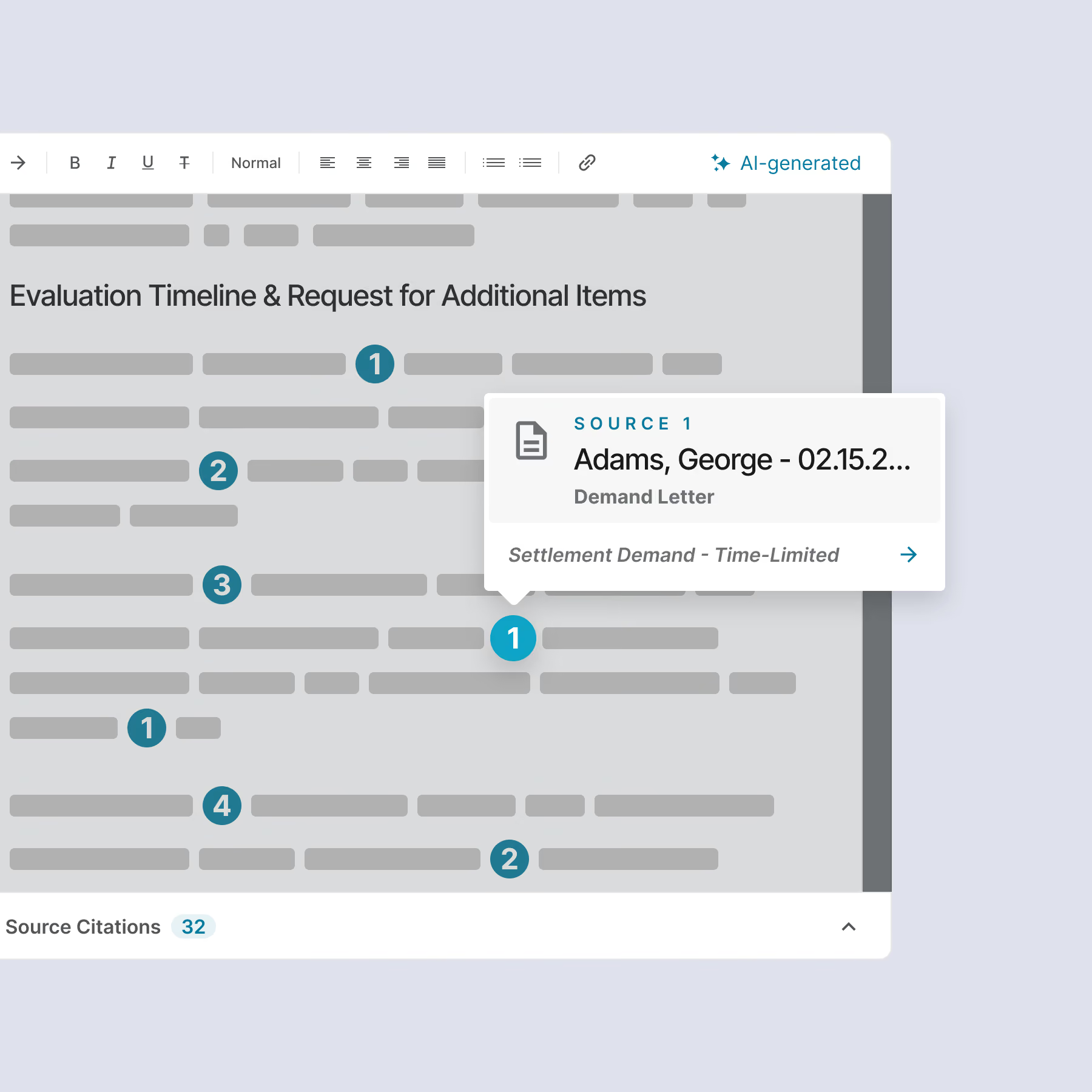
Every fact traces to the record
Each AI-generated fact carries an inline citation you click to open the source in the case, whether a document, a note, or a case field. Every letter is verifiable before an attorney signs off.
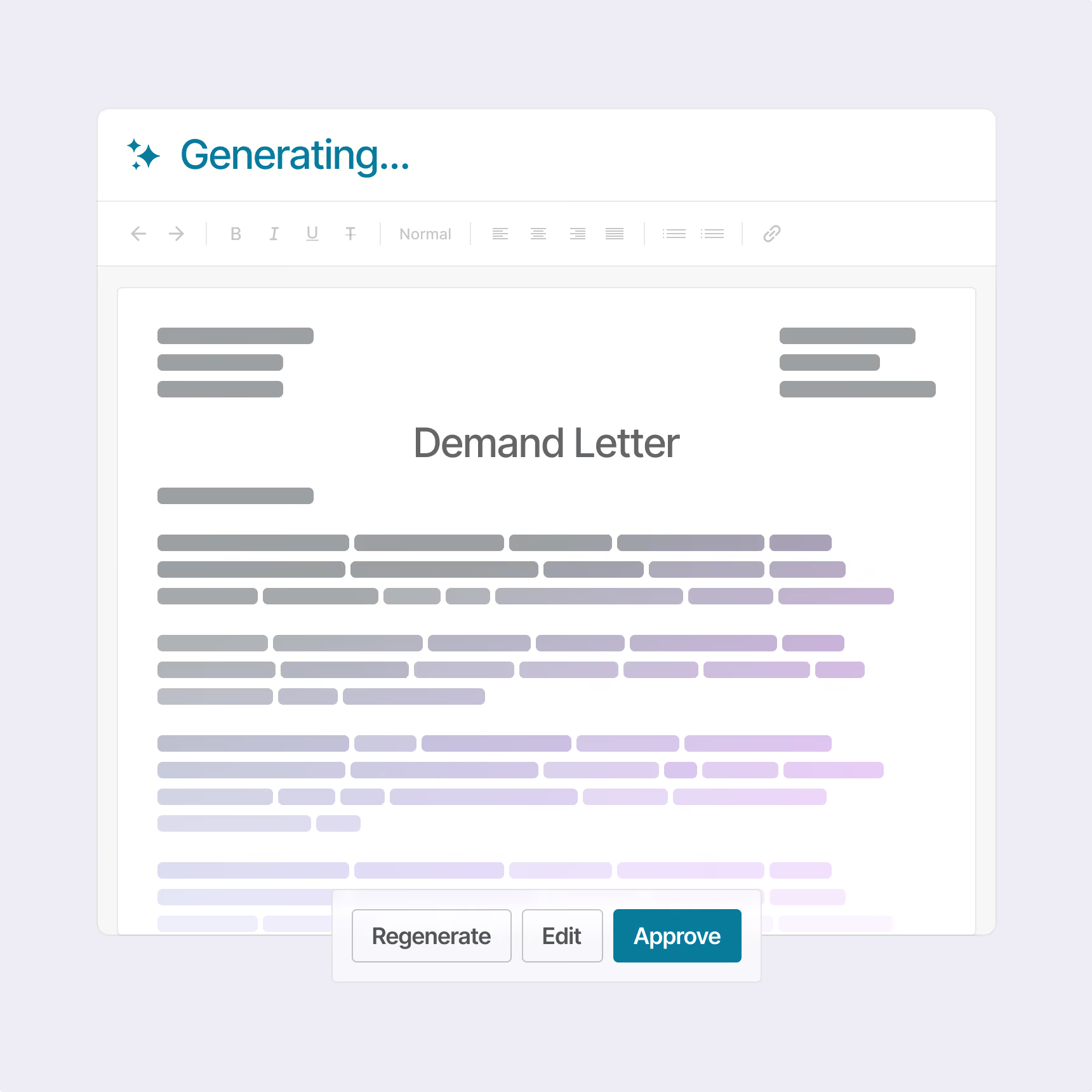
Drafted in your firm's voice
Firm voice trained on your own letters, personal injury conventions built in, and attorney approval always required before anything sends. 40+ years of PI focus and 1,450+ firms behind it.
What firms see after switching



What actually happens when you switch
Assembly's Professional Services team handles your migration, so your cases, records, and history come across intact. Most firms are fully live in weeks, not months.
White-glove migration, handled in-house
Thousands of firm migrations completed
Most firms live in weeks
96% of firms recommend our migration team
Frequently Asked Questions
How does AI write a personal injury demand letter?
It reads the case and drafts from it. NeosAI pulls the facts, medical records, and damages already stored in the case file, then produces an editable draft in your firm's voice. Every generated fact carries an inline citation back to its source, so an attorney can verify before signing.
What is the best AI medical chronology software?
For a firm already running case management, the most efficient option is chronology generation built into that system. NeosAI reads the records attached to the case and produces a chronology you review and edit in the file. One firm reported processing 50 pages of medical records in 5 to 10 minutes.
How are personal injury lawyers using AI today?
Most commonly for demand letters, medical chronologies, medical record review, and intake. The dividing line is where the AI runs. Standalone products need records sent out and hand back a document you file yourself. Embedded intelligence works inside the case file and writes results back into case fields and reports.
Is AI-generated demand letter output accurate enough to send?
Only with verification built into the workflow. NeosAI attaches an inline citation to every generated fact, so you click through to the source document, note, or case field before approving. Attorney approval is always required before anything sends, and NeosAI runs under a Zero Data Retention policy.
Is a standalone demand letter generator better than one built into case management?
For a firm already running case management, built in is usually more efficient. A standalone generator needs the case sent to it and returns a document you copy back. Demand generation inside the system reads the file directly, writes back to case fields, and carries no per-deliverable fee.
What are the best EvenUp alternatives?
Neos is the option for firms that want demand letters and medical chronologies generated inside their case management rather than in a separate product, with one login and no per-case fee.